
Capital Zone

mortgage

Boost Your Savings: Refinance Your Mortgage in the UAE!

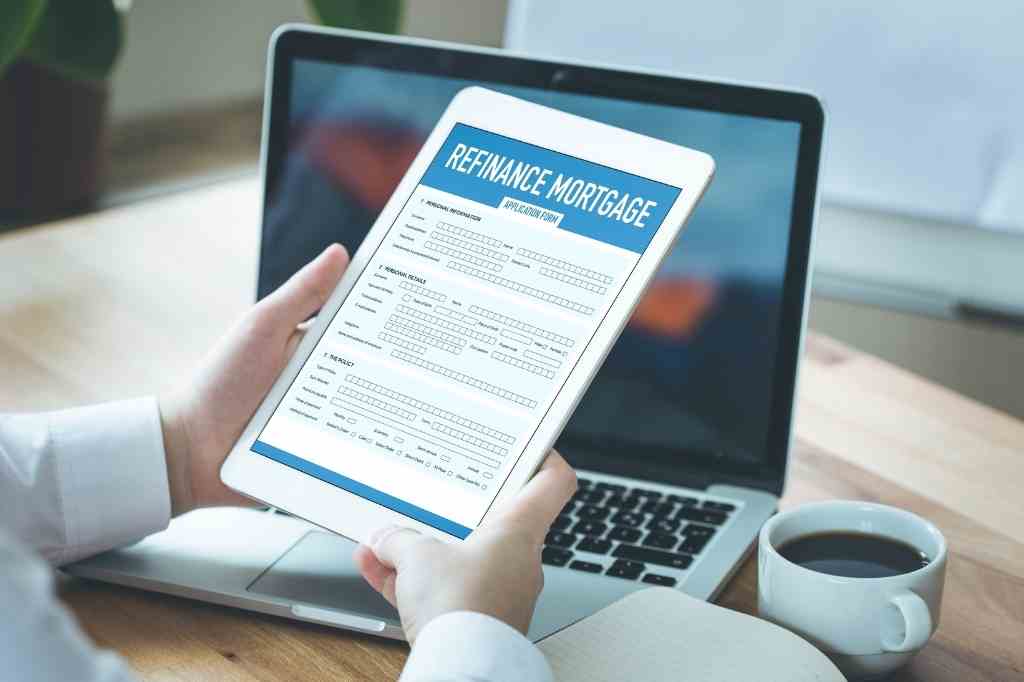
Refinancing a mortgage means taking out a new loan to replace an existing one. People often refinance to lower the interest they are paying on a loan or to reduce their monthly payments. Some homeowners also refinance to pay off the loan faster or switch from an adjustable-rate mortgage (ARM) to a fixed-rate mortgage. Refinancing can be a smart financial decision if done at the right time and for the right reasons. But how does refinancing a mortgage work in the UAE, and what should you consider before taking the plunge? How Does Refinancing a Mortgage in the UAE Work? In the UAE, when you first buy a home, you take out a mortgage to finance the purchase. The mortgage loan is paid to the seller, and you, as the homeowner, pay back the bank over a set period—usually 15 to 30 years. However, when you refinance your mortgage, you are essentially replacing your current loan with a new one. The proceeds from the new loan are used to pay off the balance of your existing mortgage, and you now have a new loan with new terms. Much like when you initially applied for your mortgage, refinancing requires submitting an application, going through the underwriting process, and agreeing to the new loan’s terms. Your new mortgage may have different interest rates, repayment schedules, or loan terms compared to your previous mortgage. Reasons to Refinance a Mortgage in the UAE Homeowners in the UAE may choose to refinance their mortgage for several reasons. Here are the most common motivations: 1. Lower Interest Rates One of the primary reasons for refinancing a mortgage is to secure a lower interest rate. Refinancing to a lower rate can significantly reduce your monthly mortgage payments, allowing you to save money over time. This is especially important when interest rates are expected to rise, as locking in a lower rate can provide long-term savings. For homeowners with adjustable-rate mortgages, refinancing into a fixed-rate mortgage ensures stability in their monthly payments. 2. Shorten the Loan Term Refinancing is also a good option for homeowners who want to pay off their mortgage faster. By refinancing to a shorter loan term, such as switching from a 30-year to a 15-year mortgage, homeowners can pay off their loan in a shorter amount of time. Although monthly payments may increase slightly, this option allows for substantial interest savings in the long run, as you’re paying off the principal more quickly. 3. Tap Into Home Equity (Cash-Out Refinancing) If your home has appreciated in value and you’ve built up substantial equity, you may consider cash-out refinancing. This option allows you to refinance for a larger loan than your existing mortgage balance, with the difference being given to you in cash. Homeowners can use this extra cash for a variety of reasons, such as home improvements, debt consolidation, or investments. However, it’s important to ensure that the new mortgage terms align with your financial goals. 4. Switch from an Adjustable-Rate to a Fixed-Rate Mortgage Some homeowners choose to refinance to switch from an adjustable-rate mortgage (ARM) to a fixed-rate mortgage. An ARM typically has lower initial rates, but the rates may increase after a few years, causing your monthly payments to rise unexpectedly. Refinancing to a fixed-rate mortgage provides predictability and stability, especially if interest rates are expected to increase in the future. Things to Consider Before Refinancing Your Mortgage in the UAE Before jumping into the refinancing process, there are several important factors to take into consideration: 1. Set a Clear Goal Refinancing should have a specific purpose. Do you want to reduce your monthly payments, shorten your loan term, or access cash from home equity? Having a clear financial goal will help guide your decision-making process and ensure that refinancing aligns with your long-term objectives. 2. Check Your Credit Score and History Your credit score plays a critical role in securing favorable refinancing terms. The higher your credit score, the better interest rates and terms you’ll likely qualify for. Before applying for refinancing, it’s a good idea to check your credit report and address any negative items. If your credit score is less than stellar, it may be worthwhile to spend a few months improving your score before applying for refinancing. 3. Understand Your Home Equity Your home equity is the difference between your home’s market value and the remaining balance on your mortgage. For example, if your home is valued at AED 825,000 and you owe AED 300,000, your equity is AED 525,000. Home equity plays a crucial role in refinancing, as it impacts the loan terms you’re eligible for. Lenders will generally require at least 20% equity in the property to approve the refinance. 4. Use a Mortgage Calculator To help assess the potential savings, it’s recommended to use a mortgage calculator. Many mortgage brokers in the UAE offer online tools that allow you to input your current mortgage balance, interest rate, and loan term to see how refinancing would affect your monthly payments and overall savings. Mortgage calculators can provide you with a clear picture of your new payment schedule and help you compare different refinancing options. Final Thoughts Refinancing a mortgage in the UAE can offer significant benefits, whether you want to lower your monthly payments, pay off your mortgage faster, or access the equity in your home. However, it’s important to carefully consider your financial goals, credit history, and the equity in your home before proceeding. By taking the time to evaluate your options, you can make an informed decision that sets you on the path to financial success. Related Articles: Impact of US FED Interest Rate Cut on Dubai Mortgage Market Understanding Equity and Equity Release

Boost Your Savings: Refinance Your Mortgage in the UAE! Read More »

handover payment mortgage broker in dubai

Simple Tips to Ensure a Smooth Handover Payment Process

Here are the steps you need to do if you’re funding your handover payment through a post-handover payment plan in order to be ready and receive the keys in your hand as soon as feasible. An off-plan house purchase takes time and perseverance. You want to be prepared for your payment and have everything set up to complete your purchase after waiting for your property to be completed. Here are the steps you need to do if you’re funding your handover payment through a post-handover payment plan in order to be ready and receive the keys in your hand as soon as feasible. However, let’s define a handover payment first. The last payment you must make to reserve an off-the-plan property is known as a handover payment. 50 to 70 percent of the cost of the property is typical in the UAE. You’ll probably need a mortgage to cover this expense as well. However, there is a lot to get ready for before the money handover date. To assist you through the procedure with the least amount of stress, we’ve put together 4 tips. 4 suggestions for getting ready for the handover payment Recognize your timeline If you haven’t started planning in advance for handover payments, you can find yourself in a time crunch when they suddenly appear on your calendar. Give yourself plenty of time to discover the best mortgage for you and for the bank to handle all of your paperwork if you intend to use a mortgage to finance your handover payment. Give yourself at least a two-to-three-month timeframe to complete the mortgage application procedure. You’ll have enough time to address any problems you encounter and still submit your payment by the due date, avoiding the developer’s late payment penalties. To know the deadline you are working toward, confirm that the contract’s agreed-upon handover date is listed there. Be ready for fluctuations in market value. Off-plan purchases carry risks, just like any investment. When building is finished, the valuation of your property that was agreed upon at the beginning of the process might not correspond to the actual market worth. Your up-front payment can be larger than you anticipated if the completed market value of the property you acquired is lower than the original valuation and you are financing the handover payment with a mortgage. On the other side, you might have to put down less money than you anticipated if the property’s ultimate market value is greater than the first appraisal! Additionally, keep in mind that the UAE has a cap on LTV (loan-to-value ratio) at 80% for residents and 85% for nationals, so if the amount you need to borrow rises above 80%-85% LTV, you will need to pay the difference out of pocket. Consult an authority It’s wise to get professional advice before making any significant financial decisions. We advise employing the services of a mortgage broker to finance the handover payment. A mortgage broker can help you discover the best mortgage for your unique needs because they are knowledgeable about the subtleties of funding an off-plan handover payment. It is preferable to consult them early on, as they will also have a deeper idea of how long it takes to complete each stage of the procedure. Obtain preapproval A mortgage broker will also walk you through the pre-approval procedure. You and your developers will know how much money the banks are ready to lend you if you get a pre-approval. Pre-approvals typically last for about 60 days, giving you some wiggle room. As the handover payment nears, it’s a fantastic approach to help you feel at ease.

Simple Tips to Ensure a Smooth Handover Payment Process Read More »

loan to value mortgage in dubai

What does loan to value (LTV) mean, and why does it matter?

Understanding Loan to Value in the UAE: A Comprehensive Guide Loan to value (LTV) is a critical term used by banks when lending against an asset, typically a property. It refers to the percentage of the property’s value that the bank is willing to finance through a mortgage. Understanding how loan to value ratios work in the UAE is essential for anyone planning to purchase property, as it directly impacts the amount you can borrow and the deposit you need to prepare. How Loan to Value Ratios Work in the UAE Banks in the UAE determine loan to value by assessing the market value of the property. To do this, they instruct a third-party valuation company to appraise the property. The valuation takes into account recently sold comparable properties, current market conditions, and other key factors. The bank then lends a percentage of the value, based on either the property’s purchase price as stated in Form F or the valuation—whichever is lower. This ensures the bank is protected from lending more than the property is worth in current market conditions. Understanding that the valuation may come in lower than the agreed purchase price is vital when purchasing a property. Buyers are advised to include a clause in Form F to protect themselves from undervaluation scenarios. What Happens with an Undervaluation? An undervaluation occurs when the bank’s valuation is lower than the agreed purchase price of the property. In this situation, buyers will require a higher deposit, as the bank will only lend the set loan to value percentage based on the lower valuation. For example, if a property is purchased for AED 2 million but the bank values it at AED 1.8 million, the bank will apply the loan to value percentage to the AED 1.8 million. The buyer must cover the difference themselves, which could create financial challenges, especially if they had budgeted for a lower deposit. How to Avoid Undervaluation Avoiding undervaluation entirely can be challenging, but there are steps buyers can take to reduce the risk. Conducting thorough market research and due diligence is essential. However, in rapidly changing markets, comparable data may not always be available, leading to lower-than-expected valuations. To protect yourself, request that clauses be included in Form F, allowing you to withdraw from the sale without penalty if an undervaluation occurs. This can help you avoid financial strain and provide peace of mind. Loan to Value Ratios in the UAE The UAE Central Bank regulates the maximum loan to value ratios that banks can offer based on factors such as nationality and the number of properties owned. These are the general guidelines: Banks may impose stricter loan to value restrictions based on the applicant’s profile. For instance, non-resident buyers may face more stringent checks, with financing capped at 75% or even lower at 50% in some cases. How to Guarantee the Best Loan to Value Option To ensure you secure the best loan to value ratio, it is advisable to explore your options and obtain pre-approval from banks. A pre-approval allows you to understand your borrowing capacity and make confident property offers, subject to property evaluation. The pre-approval process involves the bank assessing your financial situation to determine the maximum loan amount they are willing to offer. However, final approval will always depend on the property’s valuation and whether it meets the bank’s criteria. Conclusion Understanding loan to value ratios in the UAE is crucial for making informed property purchase decisions. By conducting due diligence, including protective clauses in Form F, and securing pre-approval, buyers can navigate potential undervaluation issues and secure the best financing options. The loan to value ratio is a fundamental aspect of property financing, and being well-informed will help you make smart and confident investment choices. Related Articles: Property Valuation Fees for Mortgages in UAE Fixed or Variable Mortgage rate, which one is right for You?

What does loan to value (LTV) mean, and why does it matter? Read More »

Mortgage process in UAE

How to Apply for a Mortgage in UAE ?

Whatever your motivations for searching for a home in the United Arab Emirates (UAE), it’s crucial to comprehend the types of mortgages that are offered as well as the procedures involved in setting one up. Who is eligible to get a mortgage in the UAE? If you are a citizen or resident of the UAE, between the ages of 21 and 65, and earn between AED 10K and AED 25K per month in salary, you may apply for a variety of mortgages in Dubai (self-employed). Although it mostly depends on bank rules, certain banks permit UAE citizens with a monthly income of at least AED 8k to apply for a mortgage in the UAE. In the UAE, non-residents can also look into their mortgage alternatives. However, they have few options because few institutions offer mortgages to people who aren’t residents of the country. Types of mortgages in the UAE Financing your property investment is one of the most important considerations to make if you plan to enter the Dubai or any other Emirates real estate market. In order to pay for their purchases, the majority of people in the UAE use mortgages. However, if you are making your first purchase, you may find the mortgage application procedure in the UAE, as well as the laws and regulations that apply to it, to be extremely overwhelming. The information you need regarding mortgages in the United Arab Emirates and the legislation governing them is provided below. Fixed-Rate Mortgage The interest rate is predetermined for fixed-rate mortgages in Dubai. Earlier than the commencement of the loan’s term, to put it another way. Throughout the duration for which the rate is fixed, it doesn’t change. Variable-Rate Mortgage In contrast to fixed-rate mortgages in Dubai, visible-rate mortgage interest rates in the UAE are subject to change over the course of the mortgage loan. With a variable rate mortgage, the interest rate will change over the course of the loan according on the state of the UAE market. The fluctuating rates are connected to the CBUAE (Central Bank of the UAE) EIBOR rates. Capped Mortgage Variable-rate mortgages have characteristics known as capped mortgages. Prior to the start of the term, a maximum cap is established for the variable-rate offer. Even if market rates increase, the monthly payment will not go beyond the predetermined limit. Keep in mind that capped mortgages are only available as an initial offer for a short period of time. Offset Mortgage In the UAE, an offset mortgage is a relatively new idea. Loan holders have the option to link their credit card, savings account, current account, and loan account under an offset mortgage. Anytime money is credited to one of the accounts, the loan amount is offset by the amount that was credited. How do you find the right mortgage? Selecting the ideal mortgage in the UAE is a significant choice that can significantly impact your financial situation. Finding the mortgage that best meets your needs might be difficult with so many alternatives available, especially if you’re a first-time buyer. When selecting a mortgage in Dubai, there are several things to consider. Your lifestyle You also need to take into account your cost of living, which is the amount of money you spend on necessities like food, entertainment, gym membership, dining out, and so on. The cost of living plays a significant role in figuring out how much house you can afford and where you want to reside. The type of property you want to buy Your mortgage payments will mostly be determined by the price of your property, which can change depending on where you want to live and what kind of location you want. To determine how much you can spend on your property, use this mortgage calculator for the UAE. Amount needed  Sometimes people search for their ideal property in Dubai first, then submit a mortgage application in the UAE. It might work, but you might not be able to get the entire amount of mortgage financing you require to buy the property. Available cash deposit The minimum cash down payment required in Dubai when purchasing real estate with a mortgage is established based on the purchase price of the property and your residency status. Required documents to get a mortgage in UAE? Anyone in the UAE who wishes to purchase real estate with a mortgage must first submit an application. It goes without saying that paperwork is necessary to submit a mortgage application in Dubai. You will generally need the following documents to apply for a mortgage in Dubai, though the criteria may differ slightly between banks. ID It is recommended to get a mortgage pre-approval before searching for a property so that you are in a the strongest position to move ahead with an offer as soon as you see your dream home. Residency You will need to supply proof of residence (copy of tenancy contract or DEWA bill). Bank statement Your bank statements – for the past six months – will need to be submitted. Pay slips During the process of applying for a mortgage in the UAE, your payslips for the past six months will need to be supplied. Business documents For Business Owners, the lenders will need to see a copy of the company registration documents along with copies of six months’ business bank statements. Required income to receive a mortgage in the UAE If you would like to purchase an apartment in Dubai – or are more inclined towards buying a villa or townhouse – you can easily secure a mortgage loan for it, given you meet the eligibility criteria. You can apply for a mortgage in Dubai if you have a monthly income of AED 10K (salaried) and AED 25k (self-employed). Mortgage rates in the UAE As it is known to all, the UAE has become a global hub in terms of trade, tourism, and several other industries. It also has one of the most advanced financial and legal systems in

How to Apply for a Mortgage in UAE ? Read More »

Fixed or Variable Mortgage rate, which one is right for You?

Fixed or Variable Mortgage rate, which one is right for You?

Which sort of interest is preferable—fixed rate or variable?—is a question we frequently receive here at Capital Zone. Depending on your unique situation, the answer to this question may vary, so it’s critical to first understand your preferences as well as the benefits and drawbacks of each rate type. Fixed or Variable Mortgage Rate: What is a fixed rate mortgage? a mortgage where the interest rate you pay is fixed for a set amount of time. Fixed periods in the UAE typically last between one and five years, however they have been known to go up to ten years. Your mortgage will switch back to the variable rate that was previously agreed upon at the end of the fixed rate period. Advantages: Disadvantages: What is a variable rate mortgage? A mortgage whose interest rate consists of EIBOR and a fixed component (bank margin) (see below for explanation of EIBOR). The rate you will pay will vary based on the EIBOR it is linked to because EIBOR fluctuates. Advantages: Disadvantages: What is EIBOR? The benchmark interest rate for lending between banks in the United Arab Emirates is the Emirates Inter-Bank Offered Rate (EIBOR). For financial transactions including mortgages, personal loans, and auto loans, borrowers and lenders both use the EIBOR as a benchmark rate. Which mortgage type is right for you? The answer to this question will depend on your specific situation because both rate kinds offer benefits and drawbacks. One of our fully licensed mortgage consultants at Capital Zone will be able to evaluate your needs and give you a recommendation based on your particular set of circumstances. Related articles:1. What does loan to value (LTV) mean, and why does it matter?2. Simple Tips to Ensure a Smooth Handover Payment Process Stay tuned for more fascinating insights on UAE Mortgage trends:Website | Linkedin | Instagram | Facebook 

Fixed or Variable Mortgage rate, which one is right for You? Read More »

Mortgage Loan Broker

Unlock the Benefits of a Buyout Loan in Dubai and How to Get One!

In a loan buyout, one lender settles the remaining debt owed by another lender on a borrower’s loan. There are several reasons to do this, but the most common ones are to acquire a better interest rate, lower monthly payments, or to consolidate several loans into one. Here is everything you need to know if you’re thinking about a loan buyout in Dubai. It might be challenging to keep track of everything when you have several loans, each with a different interest rate and monthly payment. By combining all of your loans into one, a loan buyout can make things easier. By receiving a cheaper interest rate or a shorter payback period, this can also help you save money over time. In this article, we’ll walk you through the specifics of how a loan buyout operates and how to apply for one. So, without further ado, let’s get started! How To Get A Buyout Loan in Dubai? Comparing offers from several lenders is the first step you should take if you’re thinking about a loan buyout. Before making a choice, make sure to examine interest rates, costs, and terms. Once you’ve selected the ideal lender, the procedure is usually simple and quick. Your outstanding balance will be settled by the lender with the new loan. After then, you will be in charge of paying back the new loan. You’ll often have a lower monthly payment and interest rate. Additionally, you could have the choice to lengthen the payback period. Contact The Lender If you’re having trouble paying off your mortgage, get in touch with your mortgage lender and let them know how much you want to pay it off or buy it out. As your mortgage term comes to a close, your mortgage provider will also get in touch with you to go over your possibilities. By your payoff date, they will send you an estimate for all principal and interest that is owed. You can even check the various possibilities you could have at the end of the mortgage term by referring to your mortgage contract. Shop Around You can even apply for mortgage preapprovals from some of the institutions. The lender will inform you of the approximate amount you can borrow after preapproval, along with your interest rate, fees, and mortgage duration. You can even be required to submit your social security numbers, employment information, financial information, and property information when requesting a pre-approval. Consider your options carefully because requesting preapproval a second time may result in a few points being deducted from your credit ratings. If Approved, Close the Loan If everything goes as planned and the mortgage buyout financing is granted, you can move on with completing the paperwork and transferring your title. Find out how to transfer the title by speaking with your mortgage experts and visiting the Dubai Land Department (DLD) website. Normally, the title is in the name of your mortgage lender until you pay off your loan, however some banks keep the title in the name of the owner from the beginning. Bottom Line It’s crucial to conduct your research before buying out your mortgage and submitting a financing application. Due to your failure to repay the loan the first time, you should be informed of the buyout costs and higher interest rates that are associated with a buyout loan. How Capital Zone can helpWe are the best mortgage brokers in the UAE, offering comprehensive solutions for all your mortgage needs. With years of experience and expertise in the industry, we are equipped to help you navigate the complex process of securing a mortgage. Whether you’re looking to buy your first home, invest in real estate, or refinance your existing mortgage, our team of professionals is here to assist you every step of the way. Contact us today to learn more about how we can help you find the right mortgage solution that fits your individual needs and financial goals.  Related Articles How to Increase your Mortgage Pre-Approval Amount Mortgage for Off-plan Properties in UAE

Unlock the Benefits of a Buyout Loan in Dubai and How to Get One! Read More »