Capital Zone

Uncategorized

Mortgage tenure in the UAE

Mortgage tenure in the UAE

What is mortgage tenure? A mortgage tenure is the amount of time over which you need to repay your mortgage loan fully. It’s specified by the lender in the terms and conditions of the loan offer and determines how long you’ll be required to make monthly payments toward your mortgage. It’s also referred to as the mortgage term or loan term.  The mortgage tenure is typically given in years or months. The longer the mortgage tenure is, the lower the monthly payments will be, given the same interest rate. However, the loan will accrue more interest over time so you’ll end up having to pay more interest with a longer tenure. Banks also generally offer lower interest rates for loans with shorter tenures. By using a mortgage calculator you can input a property of interest and see how changing the loan tenure affects the monthly payment or required rental price for buy-to-let properties. This calculator will also provide you with an example payment chart (known as an amortization chart) that breaks down how much money goes toward paying back the interest every year.   Even though your mortgage tenure is set at a specific length, you can still make prepayments or refinance it with a mortgage buyout to pay back the loan sooner and save on interest. Mortgage tenure limitations in the UAE Mortgage tenures in the UAE are capped at a maximum of 25 years (300 months). This is 5 years shorter than the 30-year term maximum in the US, ultimately meaning monthly payments in the UAE tend to be a bit higher. Most borrowers in the UAE usually opt for longer-tenure mortgages because it gives them greater financial flexibility month-to-month. On the other hand, it isn’t always up to the borrower. The lender may only let riskier borrowers, as determined by their credit score and finances, take out a shorter-term mortgage.  Both fixed-rate mortgages and variable-rate mortgages have a mortgage tenure. For fixed-rate mortgages, it’s important to distinguish between the fixed-rate period and tenure. In the UAE, mortgage rates are only fixed for 1-5 years after which point they become variable and subject to market interest rate changes. A mortgage tenure is typically much longer than this fixed-rate period.  Specific types of loans can have more restrictive tenures since they are also considered riskier. For example, interest-only mortgages in the UAE generally have a 1-year tenure (or up to 5 years at most).  Another important factor is the age of the borrower. Most lenders in the UAE still require borrowers to fully pay back their mortgage before they are 70 years of age. While the Central Bank of the UAE removed the maximum age limit restriction in 2019, many banks are still using the past requirement criteria when looking at borrowers’ applications. You’ll likely still find age restrictions as follows: Related articles:1. What Documents Do I Need Before I Sell My Property?2. How much does buying a home really cost in Dubai? Stay tuned for more fascinating insights on UAE Mortgage trends:Website | Linkedin | Instagram | Facebook 

Mortgage tenure in the UAE Read More »

Off-plan mortgage in Dubai

Off-plan mortgage in Dubai

Want to invest in off-plan property in Dubai? Discover how you can finance an off-plan purchase with a mortgage to take advantage of these new opportunities. What is an off-plan property? Dubai continues to be one of the most highly sought locations for real estate investments in the world. Anticipating continued demand from buyers, real estate developers are moving full-steam ahead with the construction of new developments. These properties that are in the pre-construction or under-construction stage are often referred to as off-plan properties.  ‍Buyers and investors alike may seek out off-plan properties since they have the potential for a high return on investment (ROI). Developers offer these properties for lower prices, often between 10-30% lower than the price would be if the property were ready to move in. There’s room for significant price appreciation (an increase in property value) as the property is built and the surrounding community is developed. Upon property completion and handover (the move-in date), the owner can already benefit from the increased value of the property.  Investing in off-plan property can be a very profitable opportunity; however, there are fewer financing options available for properties that aren’t yet completed. Even if you’re familiar with the standard process of getting a mortgage, banks in the UAE have different restrictions and conditions for off-plan properties that you’ll want to carefully consider.  Can you finance an off-plan property with a mortgage? Mortgage financing isn’t available in Dubai for off-plan properties that are still under construction. Banks will only provide buyers with a mortgage when they can hold the property papers as collateral. When a property is still being constructed, neither the bank nor the buyer can access the property papers as they are held by the developer. Buyers will need to finance the property purchase either partially or fully before the property is completed.  Some banks may provide financing for off-plan properties once they are completed, with a loan-to-value (LTV) ratio set at 50%. Say, for example, you want to buy an off-plan property with a purchase price of AED 1,000,000. This means that the bank will only provide you with financing for 50% of the price or AED 500,000 once the property is completed if you can put forth AED 500,000 or more from your own finances. Banks typically restrict the off-plan properties they will finance, sticking to the top developers and/or projects that they’ve already approved.  Many borrowers may not have the cash to fund 50% of the purchase price themselves. This is where other payment plans can come in handy.  Take advantage of on-handover payment plans In order to help more borrowers afford an off-plan property purchase, developers have started offering their own payment plans. Two increasingly common types of developer-offered payment plans in the UAE are post-handover payment plans and on-handover payment plans. ‍ ‍Post-handover payment plans allow the buyer to pay back a portion of the property price after handover / completion within a specified timeframe (often over the course of a few years). You can check out a few‍payment plans for projects from developers like MAG Property Development, Dar Al Arkan, and Danube Properties. However, buyers can’t take out a mortgage loan if they’ve opted into a post-handover payment plan. In this case, the developer agrees to extend the payment schedule past completion/handover, and will not release the title deed for the property until the buyer pays the full purchase price. The bank won’t finance a mortgage without having access to the property’s title deed for collateral. ‍ On-handover payment plans also allow the buyer to pay a certain percentage of the property price before completion and after completion/handover. These payment plans can vary depending on the developer and the projects, with some common ratios offered such as 20/80 (20% paid during construction and 80% paid at handover), 40/60, 50/50, 60/40, and 70/30. The percentage paid during construction is due in installments upon reaching certain construction milestones. The remaining percentage is due when the property is completed and handed over. ‍Buyers can take out a mortgage loan to finance the percentage of the price that is due on handover/completion of the property. By making this payment, the borrower will have paid 100% of the purchase price. Instead of the title deed being transferred from the developer to the buyer, it will go straight to the bank and be held by them as collateral until the mortgage is fully paid off. It’s important to keep in mind that you’ll still have to meet the bank’s conditions and requirements to qualify for a mortgage loan. Even if you would have qualified for a loan initially (upon entering into the on-handover payment plan), it doesn’t guarantee that you’ll qualify after property handover if your financial situation has significantly changed.  Consider an equity release mortgage For on-handover payment plans, you could also consider doing an equity release mortgage once the property is complete and handed over. Home equity is the share of the property that you own. With an equity release loan, you can borrow a percentage of the total property value, typically up to 85% if you’re a UAE national and 80% if you’re a resident expat. You can then use part of the released amount to put towards the remaining on-handover payment (eg. 50% of the purchase price) and even have remaining cash (up to 30-35% of the property value) to put towards other costs or debts. If the property value has increased since you purchased the property and began making payments, you may also be able to get an equity release loan based on the increased value.  Going forward When it comes to buying an off-plan property in Dubai you’ll want to take some of the financing options above into consideration, specifically post-handover payment plans and equity release mortgages. It’s also helpful to familiarize yourself with the Oqood certificate, which is the equivalent of a title deed for off-plan properties. For real estate investors, you can learn how to optimize your rental yield when choosing a property or compare the pros and cons of short versus long-term rentals.   Related articles:1. What Documents Do I

Off-plan mortgage in Dubai Read More »

Preapprovals Vs. Prequalifications: Which Should You Get?

Mortgage Preapprovals Vs. Prequalifications: Which Should You Get?

As you prepare to apply for a mortgage, you’ll come across terms like “prequalification” and “preapproval.” It’s essential to understand what these terms mean – they’ll guide your home search and help you focus on homes you can afford. When the time comes, they can also help you decide how much to offer and show the seller that you’re a serious buyer. At the most basic level, prequalification and preapproval are types of mortgage approvals, and they refer to the steps a lender takes to verify that a client can afford a mortgage. In this article, we’ll review some common ways lenders use prequalification and preapproval. But first, a couple points to remember: What’s A Mortgage Prequalification? A prequalification generally means that a mortgage lender collects some basic financial information from you to estimate how much house you can afford. Getting confirmation from a lender that you prequalify for a home loan allows you to have a general idea of how much you’ll be approved for when it comes time for closing. It’s common for a prequalification to rely on self-reported information, instead of verifying by pulling your credit report or reviewing financial documents. This means being prequalified for a mortgage typically leaves you with a ballpark estimate. It also means it’s less reliable than a preapproval, which usually involves your lender checking your credit score and reviewing bank statements and other documents. As you begin searching for a home, real estate agents and sellers want to see you’ve been working with a mortgage lender so they know you can afford to buy a home. Prequalified Vs. Preapproved For Your Mortgage: What’s The Difference? Both prequalification and preapproval provide borrowers with an estimation of how much home they can afford. However, a mortgage preapproval is a more official step that requires the lender to verify your financial information and credit history. Documents required for a preapproval may include pay stubs etc This means a preapproval is a stronger sign of what you can afford and adds more credibility to your offer than a prequalification. This will also allow you to show sellers a preapproval letter to demonstrate that your financial information has been verified and you can afford a mortgage. However, check with your lender to be sure. Why Is Getting Approved For A Mortgage Important? Getting approval for your mortgage means that a lender has reviewed your financial situation and confirmed your ability to take on mortgage payments. When you get a mortgage approval, your lender estimates how much you can afford to borrow, what your interest rate could be and how much your mortgage payments could be. You and your real estate agent can use this information to focus on homes you can afford. A mortgage approval also proves to sellers that you can afford the home they’re selling. Without first securing approval from a lender, the seller might not trust your offer is genuine. Your offer might not be accepted – and even if it is, offering to buy a home without lender approval can slow down your mortgage loan application. The Bottom Line A mortgage prequalification is a good way to get an estimate of how much home you can afford, and a preapproval takes it one step further by verifying the financial information you submit to get a more accurate amount. Getting approved early in your home search is a great way to know what you can afford, so you can narrow in on your dream house and stand out to sellers as a preapproved buyer. Related articles:1. What Documents Do I Need Before I Sell My Property?2. How much does buying a home really cost in Dubai? Stay tuned for more fascinating insights on UAE Mortgage trends:Website | Linkedin | Instagram | Facebook 

Mortgage Preapprovals Vs. Prequalifications: Which Should You Get? Read More »

10 Tips for a Stress-Free Move to Dubai as An Expat

10 Tips for a Stress-Free Move to Dubai as An Expat

High-net-worth individuals (HNWIs) and expatriates are drawn to the thriving metropolis of Dubai. It is not surprising that many people are considering moving here to pursue a better lifestyle given its contemporary infrastructure, tax-free income, and low cost of living when compared to other big cities with comparable living standards, such as New York, London, and Paris. For the second year in a row, TripAdvisor has ranked Dubai as one of the top travel destinations in the world for 2023; InterNations has ranked Dubai as the second best city in the world for expats for 2022; and most recently, comparethemarket.com.au has named Dubai one of the top cities in the world to relocate to. The metropolitan city offers a great wealth of career opportunities in business, finance, and other areas. It has one of the highest concentrations of international companies in the world, meaning it can be relatively easy to find a job in your field. Additionally, the city is home to some of the most renowned universities in the Arab region, providing those who wish to stay for longer periods with plenty of higher educational options.  In terms of lifestyle, Dubai boasts incredible diversity when it comes to cultural attractions and activities. From shopping malls and dining outlets to theme parks and beaches, there’s something for everyone here. Furthermore, the city’s mild climate allows for year-round outdoor activities such as watersports and horse riding – perfect for those looking for an escape from their hectic lifestyle back home.  Another major benefit of relocating to Dubai is its incredibly affordable yet high quality healthcare system. The government provides free health insurance for all expats who have lived in Dubai for more than six months. In addition, there are numerous private hospitals and clinics which provide excellent services at discounted prices compared to other countries around the world.  Finally, living costs are extremely manageable due to the city’s tax-free salaries and goods & services being priced competitively lower than many other places around the globe – especially considering its level of luxury and quality of life. 1. Plan the Details  One of the most important things you can do to make your relocation to Dubai as stress-free as possible is to plan ahead. Start researching the city and the country well in advance, so you have a good understanding of what to expect. This includes researching information about the residential visa requirement, local communities, transport options, job market, cost of living, and any other factors that may affect your decision-making process.  2. Create a Home Moving Checklist A great way to stay organized through the moving process is by creating a checklist of all the tasks that need to be completed before you move successfully from one place to another. Make sure you have all the necessary documents in order or any that you need acquire to become a Dubai resident. Your checklist may look like this: 3. Look Into Housing  Research various areas and their amenities before deciding where you want to live. This can include visiting the neighborhood, checking out rental prices and proximity to places such as the airport, supermarkets & malls. There are many different options available, from luxury apartment complexes to waterfront villas. Do some research to find the best option for you and your budget. Check out some of the popular property portals to find housing, such as Property Finder.   4. Familiarize Yourself with the Local Culture  Dubai is a melting pot of different cultures and religions, and it is important to learn about the culture and customs before you arrive. This includes researching about key cultural norms such as dress codes, appropriate etiquette and language dialects that might be spoken in certain areas. For example, avoid public displays of affection as it is frowned upon; avoid swearing or insulting someone as it can get you fined; do not eat or drink in public during the holy month of Ramadan, etc.  5. Manage Utilities Connections  Make sure you arrange for all necessary utilities like electricity, water, and internet services well ahead of time so that you don’t have to stress about them when you arrive at your new home. This can be done through DEWA (Department of Electricity & Water Authority) and internet service providers such as Etisalat and Du.  6. Consider Cost-Effective Shipping & Storage Options  If you decide to take some of your belongings with you, then you’ll need to look into cost effective shipping and storage options. Additionally, packing lightly can be a great stress reliever in the long run as it helps avoid having too many items to unpack and organize once you arrive at your new home. Remember, you will likely want to redecorate your interiors and wardrobe based on the lifestyle in Dubai.  7. Find Solutions for Your Pet(s)  If you have any furry family members, make sure to look into the necessary requirements for relocating them safely and in a stress-free manner. Generally, there is only hassle during the actual transportation of the pet from one country to another, such as on a plane or ship. However, this process should be fairly simple upon a little research, unless you’re planning on bringing your pet snake!  8. Be Open to Socializing  Relocating to a new city can be challenging, and it is important to be flexible and open-minded. Be prepared for things to be different from what you are used to and be willing to adapt to your new surroundings. Consider joining a gym, or a local café, or go to the theatre! The more you’re out in society, the more interesting people you will meet and expand your social circle.  9. Take Advantage of the Benefits of Relocating  Dubai offers many benefits to expats, including tax-free income, a high standard of living, and a safe and secure environment. Take advantage of these benefits to make your relocation as stress-free as possible.  10. Seek Help if Required  Finally, if you are finding the process of relocating to

10 Tips for a Stress-Free Move to Dubai as An Expat Read More »

Checklist Of Things To Do After Moving Into A New Home

Checklist Of Things To Do After Moving Into A New Home

People relocate for many reasons – moving for work, to be closer to family, to move to a better school district for their kids and more. Once you turn the key in the lock and step over the threshold as a new homeowner, you’re entitled to bask in the revelation that you’ve bought a new home. However, next on your “things to do list” is just that – everything else you need to do. How Can A Moving Checklist Help You Prepare For Your Move? Creating a moving checklist ahead of time can help keep you organized. It’s true that you may not think of everything, especially once you actually see your home without the previous owner’s furniture in the living room or pool table in the basement. Things To Do After You Move Let’s take a look at some moving tips and how to handle certain things as soon as you move into your new home. 1. Schedule A Deep Clean Your first thought may be to deep clean your new home. You can do it yourself or you may want to forgo scrubbing floors and hire a cleaning service instead. A cleaning service typically costs AED 50 – AED 100 per hour, depending on the size of your home, the location and the type of cleaning you need. It’s a good idea to interview house cleaners ahead of time before you make a decision about the cleaner you prefer. 2. Unpack Your Supplies When you have moving boxes sitting around in every room in your house from the moving company, your first reaction may be to jump in and start taking things out of every box you see. You may want to resist that impulse, however, because it can get overwhelming quickly. It’s a good idea to consider having an organized system at hand, such as putting boxes that belong in each room and unpacking two at a time. You may also want to consider unpacking the most important boxes first, such as kitchen and bathroom supplies. Prioritizing the rooms you’ll use the most will help you stay organized while you’re going through the process of unpacking. 3. Set Up Safety Measures For Kids And Pets Is your new house safe for children and pets? Put up safety gates at the top and bottom of the stairs, add outlet covers, secure heavy furniture to the wall, keep furniture away from windows, stow long electrical and window cords and lock cabinets and windows to keep kids and pets out. Keep cleaners and detergents, trash bins, heavy cookware and sharp objects out of reach. Keep any other dangerous packing supplies away from both kids and pets. 4. Change House Locks It’s important for brand-new homeowners to change their house locks once they move in. You don’t know who has keys to the home besides the previous homeowner, who could have passed out a dozen copies of the keys and given them to various friends and neighbors. It’s better to put yourself in control of your home’s security. Get new house locks as soon as possible. 5. Test Your Smoke Detectors And HVAC System Test your new smoke detectors and HVAC system. If there is a problem with either, it’s a good idea to get them checked out right away. You want to know that your heating, ventilation and air conditioning systems are working. If you move in the dead of winter or during the heat of summer, you’ll want to make sure your systems are working well. 6.Transfer Utilities Make sure your utilities are turned off at your old residence, then make sure they are transferred or turned on at your new location. Consider researching utility providers ahead of your move to determine whether you’ve chosen the right provider for you. Depending on the company, you may need to pay a transfer fee and a new service setup charge. If you’re a new customer, check with the utility company to find out what you need to do to set them up. Consider prioritizing by setting up utilities for the following: Once you’ve switched your service to a new home, a technician will come by to set up your utilities. 7. Set Up Connectivity – TV, Internet And Phone Services Many providers can give you access to various connectivity services, such as TV, internet and phone. Some companies allow their customers to transfer services from one location to another, while others may force them to cancel the services at one place before setting up services at another. Once you’ve decided on a service provider, you can pay an installer or in some cases, such as installing internet or cable, you can do it yourself. You may pay a relocation fee, depending on the company’s policies. 8.Schedule Home Improvements What repairs do you need to make to your new home? Some repairs may require more attention than others, such as leaky pipes, structural issues, a roof that needs replaced, etc. Get any problems addressed sooner than later if they aren’t taken care of before move-in day. Consider prioritizing the home improvements you need to have done based on the seriousness of each issue. Painting a room likely ranks on a lower priority than a leaky roof, for example. Consider getting a list of contractors in the area and interview them as soon as you know you’ll need to make improvements to your new home. Related articles:1. How much does buying a home really cost in Dubai?2. What Documents Do I Need Before I Sell My Property? Stay tuned for more fascinating insights on UAE Mortgage trends:Website | Linkedin | Instagram | Facebook 

Checklist Of Things To Do After Moving Into A New Home Read More »

Mortgage rejection reasons in the UAE

Mortgage rejection reasons in the UAE

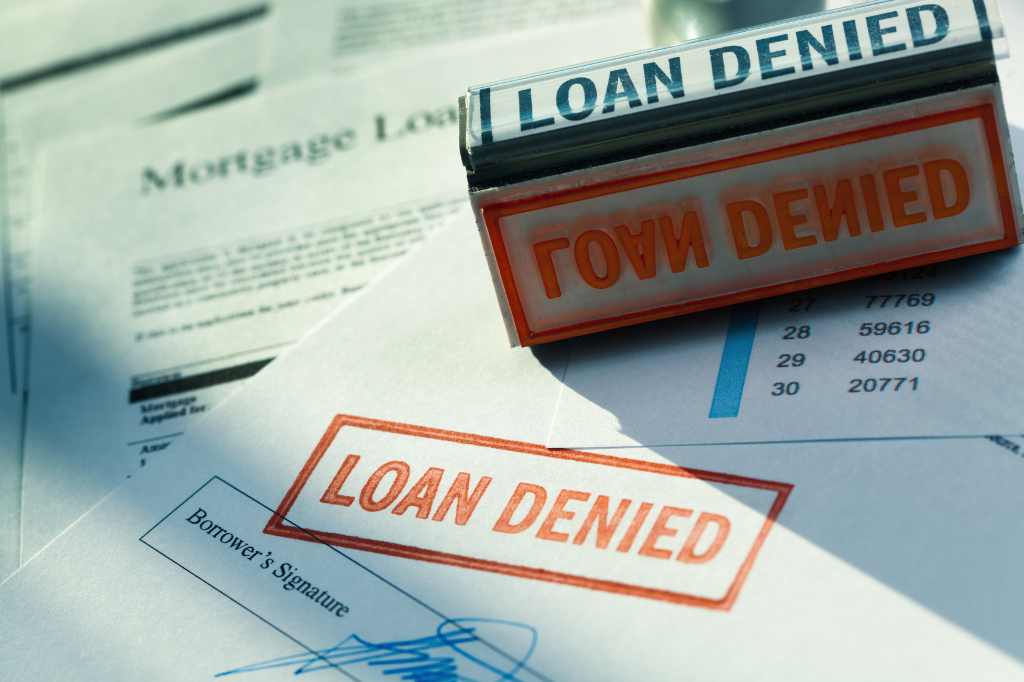
Mortgage applications are not always approved, because sometimes a person doesn’t meet all of the eligibility requirements (which are there to prove that you’re a trustworthy and investment-worthy consumer). Some rejection reasons are more common than others, but it’s important to be familiar with them because sometimes you can avoid rejection beforehand. Following are a few reasons why a mortgage application may be rejected.‍ Mortgage rejection reasons Low incomeYou may not be approved for a loan if you have a low income. Most banks require a minimum salary of AED 15,000, or AED 25,000 for self-employed borrowers.  ‍Debt-burden ratio too high‍The debt-burden ratio or affordability shows if you can meet your monthly mortgage payments. If you have nothing left after deducting your monthly commitment from 50% of your salary, you don’t meet this requirement. ‍Dishonesty or misrepresentation‍Banks conduct thorough research on potential clients, and they will only accept your application if you provide accurate, honest and clear information about yourself. ‍Bad credit history and score‍Credit score and credit history are crucial in mortgage lending because they indicate the likelihood you will make your payments on time. It is a record of how someone handles money and debt, including credit card debt and other loans. ‍Age and nationality‍The minimum age to apply for a mortgage is 21 years and the maximum age is 70. As for nationality, while the criteria are different for UAE Nationals, expats and non-residents, some countries in the world are on the sanctioned list and UAE banks won’t do business with their citizens.  ‍Employment issues‍Your employment history, employer, employment status very much affect the outcome of your mortgage application. If you work in a company with a good reputation, that operates in a low-risk industry, or a larger company with a stable future, then it’s more likely that you’ll receive financing from banks. Also, the longer you’ve worked for the same/current company, the better your chances of getting approved for a mortgage are. ‍Failed stress test‍The market and economy are liable to change, which means interest rates can fluctuate. Stress tests are used by banks to determine whether you could afford to pay your mortgage if the situation were to become more difficult than usual. ‍Overpriced property ‍Discrepancies in the mortgage terms may arise if the bank evaluates the property for less than what you offered to pay, which can lead to difficulty in completing the deal, which may result in an increase in your initial payment or a sudden price adjustment. ‍Incomplete documentation‍Your application is likely to be denied if you do not submit all of the required documents or if the documents are not in line with the prescribed requirements.  Related articles:1. Is A Mortgage Secured Or Unsecured Debt?2. How to make your first home purchase in Dubai Stay tuned for more fascinating insights on UAE Mortgage trends:Website | Linkedin | Instagram | Facebook 

Mortgage rejection reasons in the UAE Read More »