Capital Zone

Transfer of Property

How to Transfer a Property in Dubai ?

When the negotiations are in process, the sales advancement is sometimes put off until you’re suddenly prepared to complete the transaction. So, how do you process the sale of a property in Dubai? A finance to finance sale progression is a lengthy, time consuming process which can often bring confusion and stress to both parties. It is highly advisable to use the expertise of a sales progression team. A Step by Step Guide to transfer of property in Dubai Step 1. Sign the Paperwork Both parties will sign a Unified Form F and an Agreement of Sale, which are legally binding agreements between the buyer and seller that outline the terms and contents of an understanding, including each party’s needs and responsibilities, once the price has been agreed upon. At this point, the buyer should ideally have a pre-approval in place. Before approving a sale, sellers frequently make this a condition. Step 2. Property Valuation The buyer will be required to pay for the property to be valued by the bank granting their mortgage after the contracts are signed and the buyers’ pre-approval is in place. The bank will give the valuation instructions once this fee has been paid. Mortgage lenders conduct property appraisals to make sure the home is an appropriate collateral for a loan and that the market worth would be sufficient to pay off the mortgage in the event of a forced sale. A valuation firm will be hired by the bank to conduct the valuation on their behalf. Access to the property will be necessary for the valuer. The vendor shall make reasonable efforts to make such access available. The real estate agent will frequently attend the property valuation even if neither party is required to be there.The property valuer will subsequently deliver a report to the bank that includes the property’s valuation. The final mortgage offer will then move forward with the bank. Step 3. Final Mortgage Approval Once the mortgage lender has approved the loan, the buyer must submit the necessary paperwork to their bank in order to receive the final mortgage approval. The bank may request credit card statements or other private financial information as part of this process, which will be centered upon their finances. The bank may need up to 7 calendar days to release the mortgage final offer letter, depending on the situation. If there isn’t a sales progression officer in place at this point, the buyer and seller will probably need to be informed of the current situation, the procedures, and the timetable. Step 4.  Liability Letter Once the Final Mortgage Approval letter has been released, the seller can apply for the liability letter from their bank. A liability letter will outline the exact amount of the remaining mortgage owed to the Sellers bank. The liability letter must include the property details including the plot no and will be addressed to the buyers bank. The timing here is key! A liability letter can take up to 14 calendar days to be issued and then may only be valid for 7-15 calendar days. Step 5. Liability Settlement The buyer must take the responsibility letter to their bank as soon as it is available. In order to pay off the seller’s mortgage, the bank will subsequently create a managers check. Before the settlement takes place, it must be made clear whether the seller will need to be present. The purchaser must take copies of any checks used as evidence of liability settlement. Step 6. Clearance Documents The clearance documentation will now be made available by the sellers’ bank. Depending on the situation, this can take a week or more. The original title deed, a letter to the developer, a letter to the seller, and a letter to Dubai Land Department are among them. The same information will be stated in every letter, namely that the property’s mortgage has been freed and that it is now available for sale. The buyer’s bank is in charge of obtaining the paperwork from the seller’s bank. Neither the buyer nor the seller are able to accomplish this. Step 7. NOC Make sure all of your paperwork is prepared and organized before asking the developer for a No Objection Certificate (NOC). The developer issues the NOC as proof that all debts have been paid and that they are content for the property to be sold. Any servicing fees must be paid by the vendor at least a quarter in advance. The buyer will then pay back these fees when the property is transferred. Each developer’s procedure may differ somewhat, call for various papers, and even mandate that the buyer and seller be present at the NOC. Step 8. Transfer The buyer’s bank must obtain a copy of the NOC after it has been received in order for them to schedule the date for the property transfer. In order to avoid any issues on the transfer day, it is a good idea for the buyer and seller to calculate how much money they will be paying out and getting. It is also crucial to write out all checks before the transfer and to confirm in advance that all of the information on the checks is accurate. Articles Related1. Few tips to prepare for your handover payment2. How to Apply for a Mortgage in UAE ? Stay tuned for more fascinating insights on UAE Mortgage trends:Website | Linkedin | Instagram | Facebook 

How to Transfer a Property in Dubai ? Read More »

Can My Spouse Help Cosign My Mortgage? Here’s How!

Buying a Home Together: Should You and Your Spouse Have a Combined Mortgage in Dubai? If you’re planning to buy a new house in Dubai with your spouse, one of the first things you’ll need to consider is how to finance the property. For most couples, this involves taking out a mortgage loan. But is it preferable for you and your spouse to have a combined mortgage? Are there any financial advantages to doing so? In this article, we’ll explore some of the key reasons why adding your spouse to a Dubai mortgage could be a smart choice. Can My Spouse and I Purchase Property Together? The short answer is yes! Married couples, as well as blood relatives, can apply for a combined mortgage in Dubai. In fact, this is a common option for couples who want to share ownership of a property. When both partners are named on the mortgage, they will both be responsible for repaying the debt. Additionally, both partners will be included in the property’s title deed, which means they will jointly own the property. The percentage of ownership for each partner can be specified, and this will be reflected on the title document issued by the Dubai Land Department after the transfer is complete. While most married couples tend to divide the ownership equally, it is possible to adjust this depending on your financial arrangements. What Are the Advantages of a Combined Mortgage? One of the biggest advantages of applying for a combined mortgage with your spouse is the increased purchasing power. When lenders assess your application, they will look at your combined family income, rather than just the income of one applicant. This can significantly boost your affordability, potentially allowing you to purchase a larger or more expensive property. For example, if you and your spouse both have stable jobs and good incomes, combining your financial resources can increase your ability to secure a larger loan. In some cases, this could even triple your purchasing power, giving you access to more options in terms of property size and location. What Information Will My Spouse Need for the Mortgage? In the UAE, a co-applicant (in this case, your spouse) will be required to provide the same biographical and financial information as the primary applicant. This typically includes identification documents, bank statements, proof of income, and details about your employment status. Both applicants will be evaluated based on their financial situation, which will help determine the loan amount and repayment terms. However, if your spouse does not have a job, they may not need to provide proof of income. What matters most in this case is the primary applicant’s ability to demonstrate their financial capacity to sustain the payments on their own. Lenders will primarily assess whether the primary applicant’s income alone is sufficient to cover the monthly payments. Should You Keep Your Spouse Off the Mortgage? While there are many advantages to having your spouse on the mortgage, there may be situations where you might prefer to keep them off the title and the loan. Here are a few scenarios where this might make sense: 1. Separate Finances:If you’re using personal funds, such as money from an inheritance or savings you accumulated before marriage, to purchase the home, you may wish to keep your finances separate. By not adding your spouse to the mortgage, you maintain complete control over the property and its finances. This could be especially important if you plan to keep financial assets separate for personal or tax-related reasons. 2. Estate Planning:Keeping your spouse off the mortgage and property title may also be a consideration for estate planning. If you have children from a previous marriage or other specific wishes for how your estate should be divided, owning the property solely can give you more control. It allows you to pass the property to whoever you choose, regardless of your marital situation. 3. Protecting Your Assets:If your spouse has a poor credit history or a track record of loan defaults, keeping them off the mortgage can be a way to protect your home and assets. Adding someone with a less-than-ideal financial background to the mortgage could potentially affect your ability to secure a favorable loan or risk the possibility of non-payment due to their financial issues. Conclusion Deciding whether to include your spouse on the mortgage when buying property in Dubai is an important financial decision. A combined mortgage can provide several advantages, such as increased purchasing power and shared responsibility for the loan. However, it’s equally important to consider your personal financial goals and circumstances. If you and your spouse are comfortable sharing financial responsibilities, a joint mortgage can be a great way to purchase your dream home together. On the other hand, if you wish to maintain separate finances or protect your assets, keeping your spouse off the mortgage may be the right choice. Ultimately, the decision depends on your financial situation, goals, and preferences. Be sure to weigh the pros and cons carefully and consult with a financial advisor or a specialist to determine the best option for you and your spouse. Related Articles: How to Increase Your Mortgage Pre-Approval Amount 5 Questions a Good Mortgage Broker Can Answer Stay tuned for more fascinating insights on UAE Mortgage trends:Website | Linkedin | Instagram | Facebook 

Can My Spouse Help Cosign My Mortgage? Here’s How! Read More »

mortgage

Should I pay off my mortgage in Dubai early?

You might think that paying more than the minimum on your mortgage is a good alternative if you have a lot of extra money and don’t know what to do with it. Never considered it before? If you want to know if it’s right for you, keep reading! What is a mortgage overpayment? Overpayments on a mortgage loan are additional payments made. Although your lender has established a fixed monthly repayment amount for you, you might choose to pay more on top of it. There are two methods to go about this. If you have recently inherited money or received a bonus from work, for instance, you can pay in one lump sum. If your wage has grown or your interest payments have decreased, you can increase your monthly repayments as a second option. Why would I want to make extra mortgage payments? Mortgage debt is likely the biggest financial burden you will carry during your lifetime. When you consider monthly expenditures, your mortgage repayments will most likely be the biggest outgoing. So it’s natural that people want to clear this debt as soon as possible! And overpaying on a mortgage allows them to do just that. Depending on how much you choose to pay, mortgage overpayments can reduce the length of your mortgage term and reduce the amount of total interest you will pay on your loan. Main benefits of mortgage overpayments What are the downsides of mortgage overpayments? When taking into consideration the enormous savings you could make when overpaying on your mortgage, the obvious answer is yes. But there are some possible disadvantages you should think about. Lender restrictions Check with your lender to see if there are any restrictions when it comes to overpaying. This is usually the case for fixed-term mortgages. Restrictions may come in the form of an annual cap on overpayments, a financial penalty for overpaying, financial penalties on overpaying too much, or no overpayments at all. Other debts It’s possible that you have more than one debt you’re paying off each month. Your mortgage is just one. And while a large amount of debt may seem like a burden, it is usually one of the cheapest ways to borrow money. Before committing to repaying, be sure your extra cash could not be put to better use like paying off high-interest credit cards or loans, which are far more expensive ways to borrow money. Once it’s gone, you can’t get it back Overpaying is not like putting money into a bank account which you can later take back if you desperately need it. Once it’s gone, it’s gone. So make sure you have enough saved up in a separate pot for financial emergencies and only use your spare cash for mortgage overpayments if you are able to comfortably. So, should you overpay your mortgage? The answer to that is…it depends! If you are financially secure with a good salary, a large emergency savings funds, and you’re not busy paying off other high-interest debts, then overpaying your mortgage may be a viable option for you to cut the length of your mortgage term and reduce your interest. If, however, you have lots of other higher-priority debts you need to pay off and are just about meeting your existing monthly repayments, then overpaying your mortgage may be a risk and should be at the bottom of your list. Visit our Website for more Information : https://www.capitalzone.ae/ Related Blogs:1. Can My Spouse Help Cosign My Mortgage? Here’s How!2. Should I pay off my mortgage in Dubai early? Stay tuned for more fascinating insights on UAE Mortgage trends:Website | Linkedin | Instagram | Facebook 

Should I pay off my mortgage in Dubai early? Read More »

Exciting Steps to Take Before Buying Your First Property

Consider purchasing your first home in Dubai? The process of purchasing a property may be thrilling but also perplexing, especially for first-time buyers. Being as organized as you can is a smart idea in this situation. There are a few things you can do to make the purchasing process go as smoothly as possible before you even begin looking at properties. Establish a budget When searching online, we’re all guilty of looking at houses that are way out of our price range, but knowing your budget is crucial when buying a home. In addition to the property’s cost, your budget should account for any other expenses connected with the home-buying process. These include mortgage broker costs, bank fees, deposits, and real estate agent expenses. If you intend to obtain a mortgage, you should be certain of the monthly payment amount. This may differ depending on the sort of mortgage you select, so you should always plan for an increase in monthly payments by including a buffer in your budget. Additionally, you should be aware of any additional monthly costs associated with the purchase of your property, such as service fees and life and property insurance. Determine why you want to purchase Why are you investing in real estate? Although it may seem like a straightforward question, it’s crucial to understand why you’re stepping onto the Dubai property ladder because it will influence the questions you ask and the choices you make in the future. The region you select, the kind of property you buy, and the kind of loan you might want to take out will all depend on what you pick. For instance, if you plan to rent the house out and earn a profit, or at the very least pay your mortgage payments, you need be well aware of the property’s current market value and possible rental yield. Consult with experts The largest purchase you will likely make in your lifetime is a home. There are many nuances, particularly if you are unfamiliar with UAE rules and regulations. The specialists’ step in at this point. A registered real estate agent in Dubai will be able to advise you on the best neighborhoods and houses based on your criteria while you’re looking for your ideal home. Verify if they are RERA-licensed, knowledgeable about the area’s market, and have received favorable evaluations from past customers. When it comes to getting a mortgage, you can seek advice from a mortgage broker. They will help you navigate the often-confusing process of finding the best mortgage & handle all the paperwork that is involved. Improve your credit score  A good credit score can be useful if you intend to use a mortgage to pay for your property purchase. Although there are other aspects to take into account, a high credit score will place you in a strong position to get approved for a mortgage. Get a mortgage pre-approval When looking to buy a home, getting a mortgage pre-approval will put you ahead of the competition and demonstrate your sincerity. It’s a good idea to do this before you start looking for a home because some real estate brokers won’t even take you for a viewing without one. You may more easily get a realistic notion of what you can borrow and narrow down the properties you look at by getting a pre-approval, which will also reveal the exact amount the bank is willing to offer you. A pre-approval is a crucial first step in financing your dream home, even though it does not guarantee you a mortgage. Purchasing a home is not an easy task. Laws and regulations are in place, there are many parties involved, and it’s frequently the biggest transaction you’ll ever make. Because of this, it’s crucial to comprehend the entire procedure in order to be fully ready for the wonderful voyage of climbing the property ladder. Related Articles: How to Increase your Mortgage Pre-approval Amount Here are the 5 Questions a Good Mortgage Broker an Answer

Exciting Steps to Take Before Buying Your First Property Read More »

Boost Your Savings: Refinance Your Mortgage in the UAE!

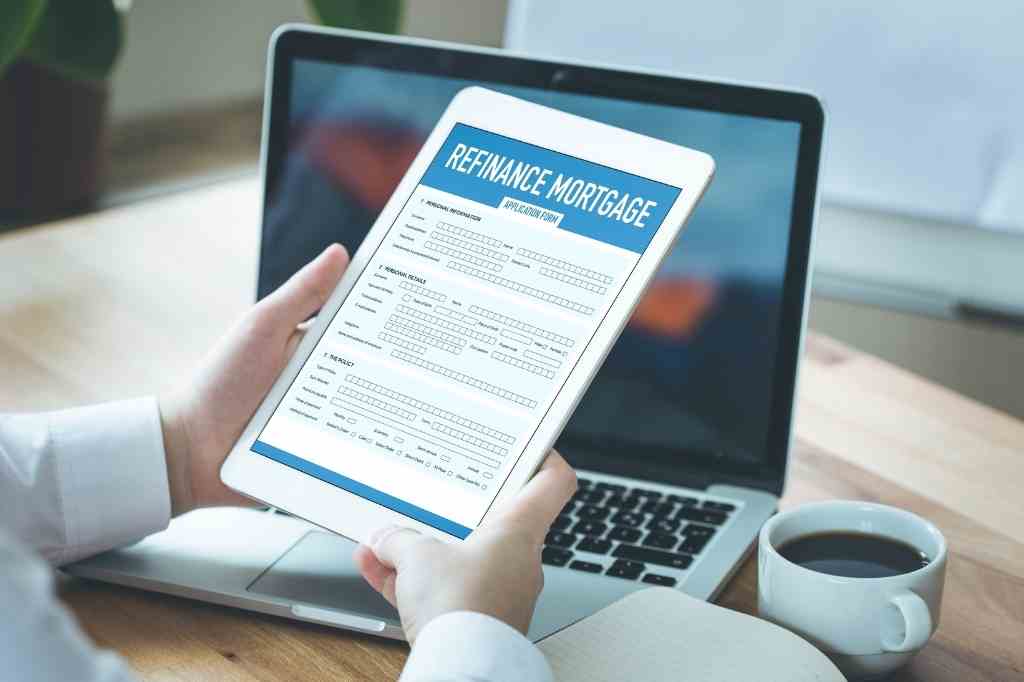
Refinancing a mortgage means taking out a new loan to replace an existing one. People often refinance to lower the interest they are paying on a loan or to reduce their monthly payments. Some homeowners also refinance to pay off the loan faster or switch from an adjustable-rate mortgage (ARM) to a fixed-rate mortgage. Refinancing can be a smart financial decision if done at the right time and for the right reasons. But how does refinancing a mortgage work in the UAE, and what should you consider before taking the plunge? How Does Refinancing a Mortgage in the UAE Work? In the UAE, when you first buy a home, you take out a mortgage to finance the purchase. The mortgage loan is paid to the seller, and you, as the homeowner, pay back the bank over a set period—usually 15 to 30 years. However, when you refinance your mortgage, you are essentially replacing your current loan with a new one. The proceeds from the new loan are used to pay off the balance of your existing mortgage, and you now have a new loan with new terms. Much like when you initially applied for your mortgage, refinancing requires submitting an application, going through the underwriting process, and agreeing to the new loan’s terms. Your new mortgage may have different interest rates, repayment schedules, or loan terms compared to your previous mortgage. Reasons to Refinance a Mortgage in the UAE Homeowners in the UAE may choose to refinance their mortgage for several reasons. Here are the most common motivations: 1. Lower Interest Rates One of the primary reasons for refinancing a mortgage is to secure a lower interest rate. Refinancing to a lower rate can significantly reduce your monthly mortgage payments, allowing you to save money over time. This is especially important when interest rates are expected to rise, as locking in a lower rate can provide long-term savings. For homeowners with adjustable-rate mortgages, refinancing into a fixed-rate mortgage ensures stability in their monthly payments. 2. Shorten the Loan Term Refinancing is also a good option for homeowners who want to pay off their mortgage faster. By refinancing to a shorter loan term, such as switching from a 30-year to a 15-year mortgage, homeowners can pay off their loan in a shorter amount of time. Although monthly payments may increase slightly, this option allows for substantial interest savings in the long run, as you’re paying off the principal more quickly. 3. Tap Into Home Equity (Cash-Out Refinancing) If your home has appreciated in value and you’ve built up substantial equity, you may consider cash-out refinancing. This option allows you to refinance for a larger loan than your existing mortgage balance, with the difference being given to you in cash. Homeowners can use this extra cash for a variety of reasons, such as home improvements, debt consolidation, or investments. However, it’s important to ensure that the new mortgage terms align with your financial goals. 4. Switch from an Adjustable-Rate to a Fixed-Rate Mortgage Some homeowners choose to refinance to switch from an adjustable-rate mortgage (ARM) to a fixed-rate mortgage. An ARM typically has lower initial rates, but the rates may increase after a few years, causing your monthly payments to rise unexpectedly. Refinancing to a fixed-rate mortgage provides predictability and stability, especially if interest rates are expected to increase in the future. Things to Consider Before Refinancing Your Mortgage in the UAE Before jumping into the refinancing process, there are several important factors to take into consideration: 1. Set a Clear Goal Refinancing should have a specific purpose. Do you want to reduce your monthly payments, shorten your loan term, or access cash from home equity? Having a clear financial goal will help guide your decision-making process and ensure that refinancing aligns with your long-term objectives. 2. Check Your Credit Score and History Your credit score plays a critical role in securing favorable refinancing terms. The higher your credit score, the better interest rates and terms you’ll likely qualify for. Before applying for refinancing, it’s a good idea to check your credit report and address any negative items. If your credit score is less than stellar, it may be worthwhile to spend a few months improving your score before applying for refinancing. 3. Understand Your Home Equity Your home equity is the difference between your home’s market value and the remaining balance on your mortgage. For example, if your home is valued at AED 825,000 and you owe AED 300,000, your equity is AED 525,000. Home equity plays a crucial role in refinancing, as it impacts the loan terms you’re eligible for. Lenders will generally require at least 20% equity in the property to approve the refinance. 4. Use a Mortgage Calculator To help assess the potential savings, it’s recommended to use a mortgage calculator. Many mortgage brokers in the UAE offer online tools that allow you to input your current mortgage balance, interest rate, and loan term to see how refinancing would affect your monthly payments and overall savings. Mortgage calculators can provide you with a clear picture of your new payment schedule and help you compare different refinancing options. Final Thoughts Refinancing a mortgage in the UAE can offer significant benefits, whether you want to lower your monthly payments, pay off your mortgage faster, or access the equity in your home. However, it’s important to carefully consider your financial goals, credit history, and the equity in your home before proceeding. By taking the time to evaluate your options, you can make an informed decision that sets you on the path to financial success. Related Articles: Impact of US FED Interest Rate Cut on Dubai Mortgage Market Understanding Equity and Equity Release

Boost Your Savings: Refinance Your Mortgage in the UAE! Read More »

handover payment mortgage broker in dubai

Simple Tips to Ensure a Smooth Handover Payment Process

Here are the steps you need to do if you’re funding your handover payment through a post-handover payment plan in order to be ready and receive the keys in your hand as soon as feasible. An off-plan house purchase takes time and perseverance. You want to be prepared for your payment and have everything set up to complete your purchase after waiting for your property to be completed. Here are the steps you need to do if you’re funding your handover payment through a post-handover payment plan in order to be ready and receive the keys in your hand as soon as feasible. However, let’s define a handover payment first. The last payment you must make to reserve an off-the-plan property is known as a handover payment. 50 to 70 percent of the cost of the property is typical in the UAE. You’ll probably need a mortgage to cover this expense as well. However, there is a lot to get ready for before the money handover date. To assist you through the procedure with the least amount of stress, we’ve put together 4 tips. 4 suggestions for getting ready for the handover payment Recognize your timeline If you haven’t started planning in advance for handover payments, you can find yourself in a time crunch when they suddenly appear on your calendar. Give yourself plenty of time to discover the best mortgage for you and for the bank to handle all of your paperwork if you intend to use a mortgage to finance your handover payment. Give yourself at least a two-to-three-month timeframe to complete the mortgage application procedure. You’ll have enough time to address any problems you encounter and still submit your payment by the due date, avoiding the developer’s late payment penalties. To know the deadline you are working toward, confirm that the contract’s agreed-upon handover date is listed there. Be ready for fluctuations in market value. Off-plan purchases carry risks, just like any investment. When building is finished, the valuation of your property that was agreed upon at the beginning of the process might not correspond to the actual market worth. Your up-front payment can be larger than you anticipated if the completed market value of the property you acquired is lower than the original valuation and you are financing the handover payment with a mortgage. On the other side, you might have to put down less money than you anticipated if the property’s ultimate market value is greater than the first appraisal! Additionally, keep in mind that the UAE has a cap on LTV (loan-to-value ratio) at 80% for residents and 85% for nationals, so if the amount you need to borrow rises above 80%-85% LTV, you will need to pay the difference out of pocket. Consult an authority It’s wise to get professional advice before making any significant financial decisions. We advise employing the services of a mortgage broker to finance the handover payment. A mortgage broker can help you discover the best mortgage for your unique needs because they are knowledgeable about the subtleties of funding an off-plan handover payment. It is preferable to consult them early on, as they will also have a deeper idea of how long it takes to complete each stage of the procedure. Obtain preapproval A mortgage broker will also walk you through the pre-approval procedure. You and your developers will know how much money the banks are ready to lend you if you get a pre-approval. Pre-approvals typically last for about 60 days, giving you some wiggle room. As the handover payment nears, it’s a fantastic approach to help you feel at ease.

Simple Tips to Ensure a Smooth Handover Payment Process Read More »